

Pieter Saey – The social action field
An epistemological and geographical evaluation of Wallerstein’s world-systems analysis
The social action field is a forthcoming book, the magnum opus of geographer Prof. Em. Pieter Saey. Bringing together decades of work on geography, spatial theory, and world-systems analysis, it offers a major re-evaluation of Wallerstein’s framework and its implications for social change. This page is the main reference point for book updates, launch materials, related talks and publication news.
About the book
There’s plenty of reason to be angry with capitalism. But what can you do about it? With that question in mind, Pieter Saey examines one of the approaches that envisions the end of capitalism: Wallerstein and Hopkins’ world-systems analysis. What has it got to say about the social action field? To this end, he examines how this analysis establishes the relationship between economic-geographic and political-geographic structures. The focus is on the connection between the macro-geographic division of labor across core, semi-peripheral, and peripheral zones and the global distribution of internally strong and weak states—in other words, on the question of how, in the modern world-system, economy structurally conditions the (un)democratic nature of states. The answer required a great deal of scientific-theoretical weeding. World-systems analysis has been criticized from many sides, and the critics are not always wrong. Saey found both its philosophical and geographical foundations in need of revision. He defends three theses: (1) a distinction must be made between the world-system as a social system (an autopoietic network of social interactions) and the world-system as a geographical system (a complex set of locations that is regionally differentiated by the evolution of the social system); (2) the analysis must be based on a morphogenetic approach; (3) more attention must be paid to the incongruence between political/administrative boundaries and zonal boundaries, and to urban networks.
The book centers on the following research questions:
1. What kind of science is world-systems analysis?
- Is it a form of unorthodox Marxism?
- Is it structural determinist? Does it leave room for agency?
- Is it the appropriate path to penetrate social reality?
- Is it Eurocentric?
- Is it functionalist?
- Is it essentialist? What kind of system is the modern world-system?
- Is it reductionist? Does it assert that the development of states is determined by economic development, which in turn is determined by class struggle?
2. Did the modern world-system, characterized by the capitalist mode of production, originate in the long sixteenth century? How can it be spatially delineated?
3. Along which social fault lines can antisystemic movements organize?
Why this book matters
The social action field revisits world-systems analysis at a moment when questions of capitalism, state power, democracy and global inequality are once again urgent. Pieter Saey brings geography back to the centre of the debate, while reworking the philosophical and spatial foundations of a tradition that has shaped critical social theory for decades. The book is relevant to readers in geography, political economy, philosophy and social theory.
Take a look at the table of contents …
About Pieter Saey
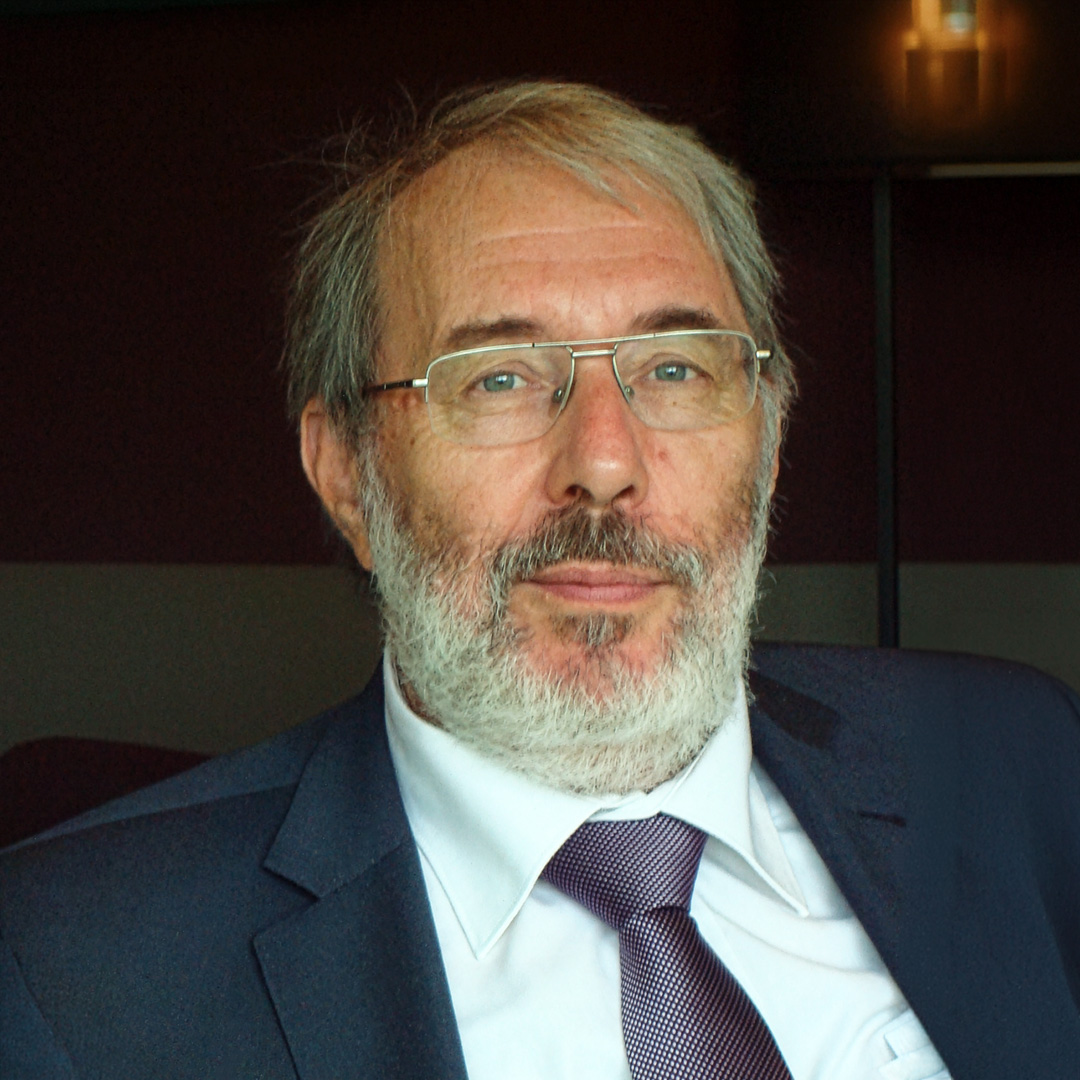
Pieter Saey (1942) is Professor Emeritus at Ghent University (UGent), with doctorates in geography, spatial planning, and political and social sciences. He is one of Belgium’s most important geographers and has contributed for decades to debates on space, politics, social theory and world-systems analysis.
Selected publications
Pieter Saey’s publications range from books and edited volumes to journal articles, chapters, and dissertations, with recurring attention to the relation between economy, politics, territorial structures, and social theory.
